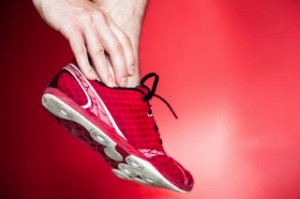
Wearing the wrong running shoes can negatively affect foot health, performance, and overall comfort during physical activity. Running shoes are designed to provide proper support, cushioning, and alignment based on an individual foot type and movement pattern. When shoes do not match these needs, they can disrupt natural biomechanics and increase stress on the feet. Over time, this mismatch can lead to discomfort and injury. Understanding the importance of proper footwear selection is essential for maintaining foot stability and preventing long-term damage.
Symptoms of wearing improper running shoes often include foot pain, discomfort, and reduced performance during activity. Runners may notice early fatigue, lack of support, or instability with each step. Continued use of unsuitable shoes can lead to premature wear and tear on the feet and surrounding joints. This may increase the risk of developing conditions such as blisters, toenail issues, and nerve related problems like neuromas. These symptoms can interfere with movement and limit the ability to maintain consistent physical activity.
Several causes contribute to problems associated with wearing incorrect footwear. Shoes that are too tight can compress the toes and create pressure points, while shoes that are too loose may fail to provide proper support. Lack of cushioning can increase impact stress, and poor arch support may lead to improper weight distribution. Choosing shoes based only on appearance rather than function can also contribute to these issues. Without proper fit and design, the feet are forced to compensate, which may lead to structural strain, over time.
Risk factors include high activity levels, improper gait mechanics, and lack of professional fitting when selecting running shoes. Selecting the right running shoes, replacing worn footwear, and paying attention to comfort can reduce risk. If you have foot conditions from wearing the wrong running shoes, it is suggested that you consult a podiatrist for effective relief tips, and additional guidance on how to choose the right shoes for your desired style of running.
For more information about walking shoes versus running shoes, consult with Devin Wahlen, DPM from Eastern New Mexico Foot & Ankle. Our doctor can measure your feet to determine what your needs are and help you find an appropriate pair of footwear.
Foot Health: The Differences between Walking & Running Shoes
There are great ways to stay in shape: running and walking are two great exercises to a healthy lifestyle. It is important to know that running shoes and walking shoes are not interchangeable. There is a key difference on how the feet hit the ground when someone is running or walking. This is why one should be aware that a shoe is designed differently for each activity.
You may be asking yourself what the real differences are between walking and running shoes and the answers may shock you.
Differences
Walking doesn’t involve as much stress or impact on the feet as running does. However, this doesn’t mean that you should be any less prepared. When you’re walking, you land on your heels and have your foot roll forward. This rolling motion requires additional support to the feet.
Flexibility – Walking shoes are designed to have soft, flexible soles. This allows the walker to push off easily with each step.
If you have any questions, please feel free to contact our office located in Clovis, NM . We offer the newest diagnostic and treatment technologies for all your foot care needs.
